Closest match
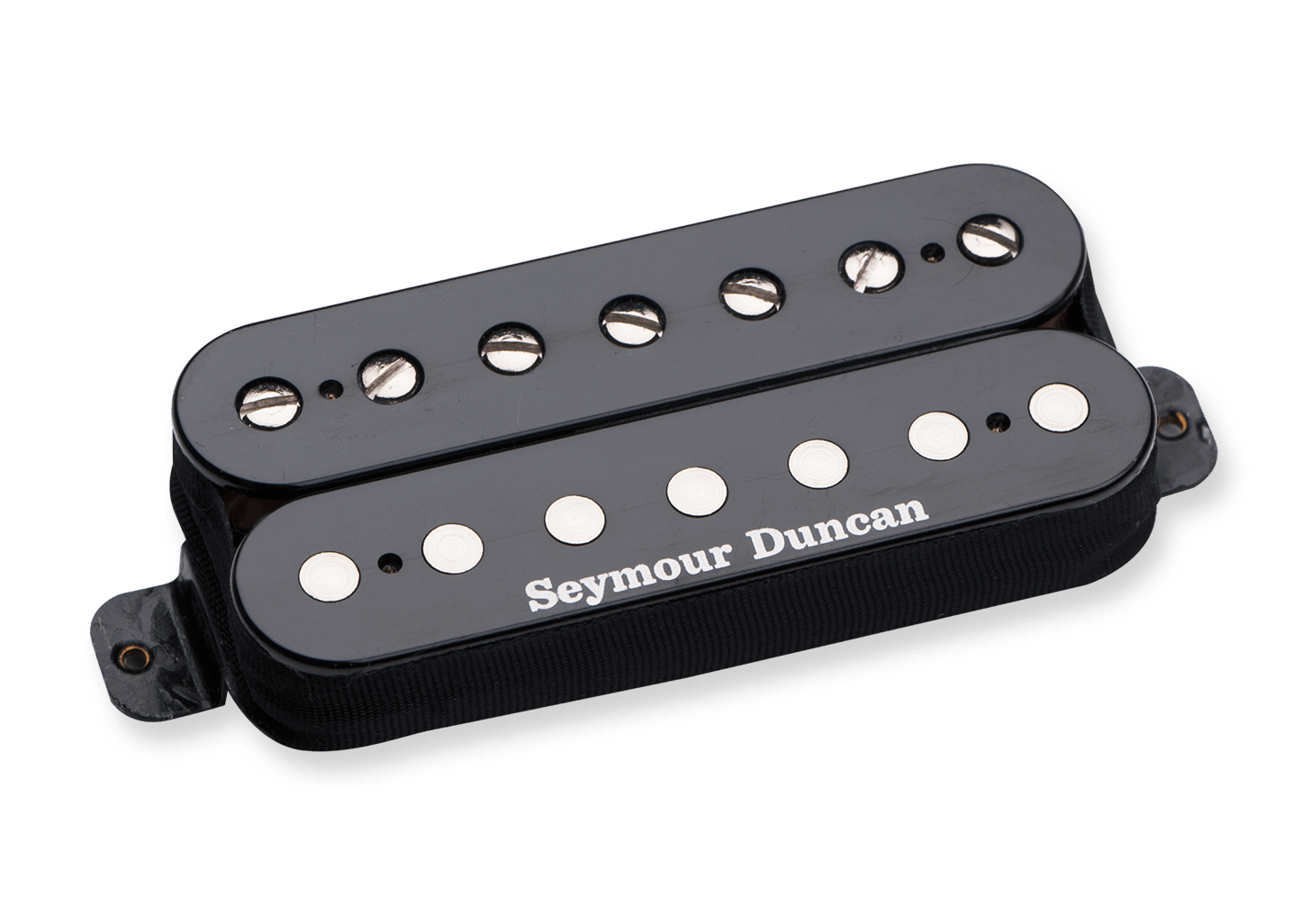
no spec differences found
No inductance for one of them, so output leans on DC resistance; tone charts compared directly.
high confidence
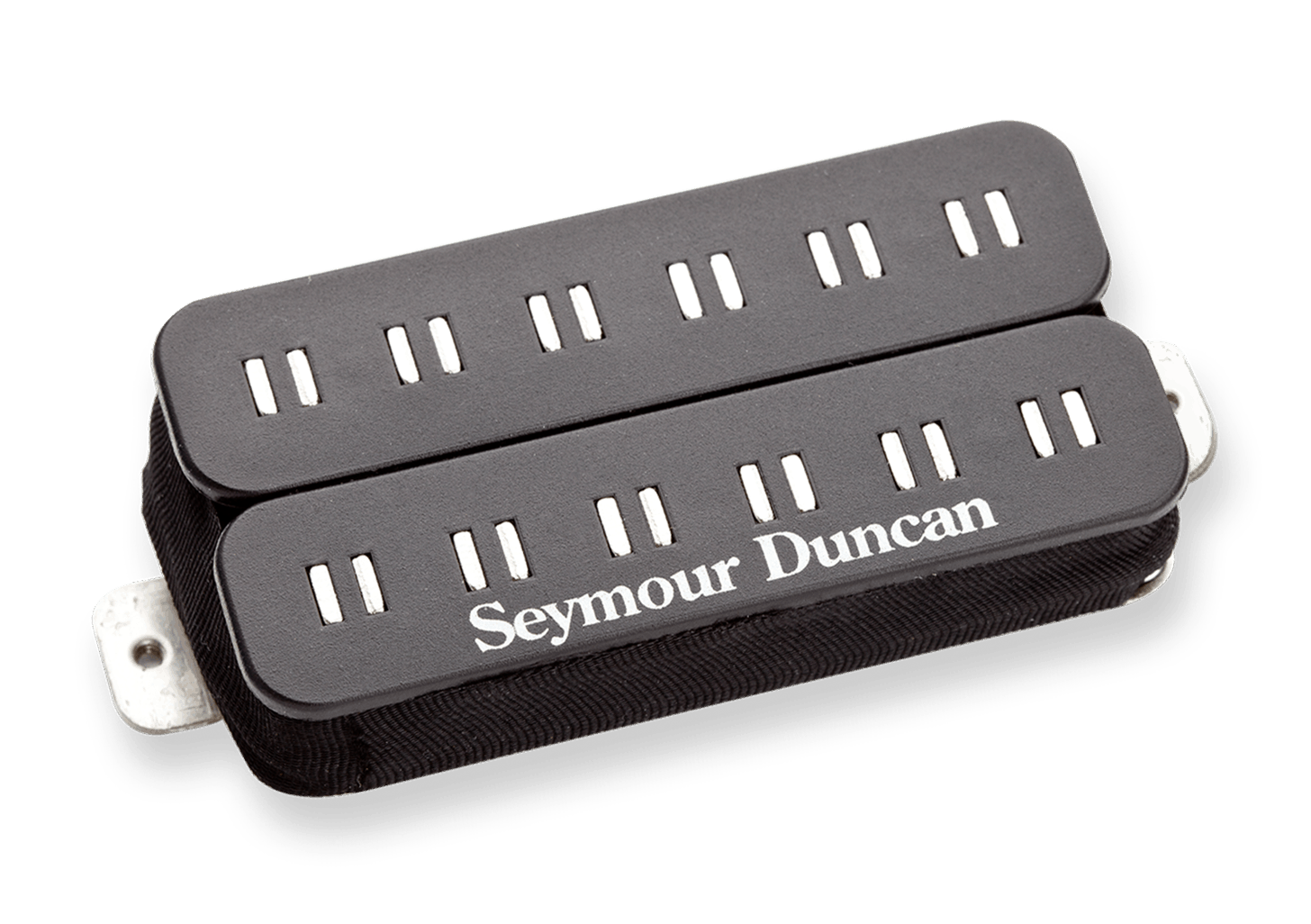
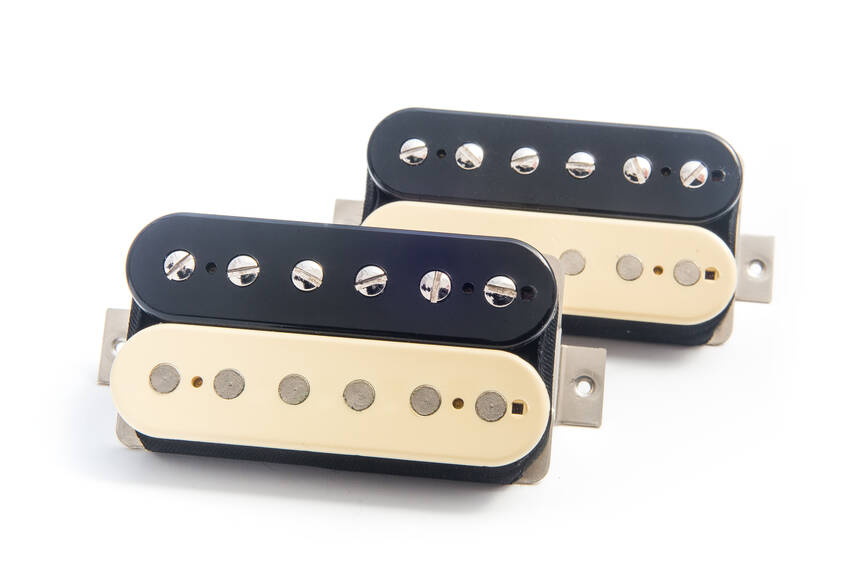
A bridge humbucker with an Alnico 5 magnet and vintage output.
vintage outputscooped mids
From Seymour Duncan's published specs ↗ (opens in a new tab). Traits come from these specs by stated rules. No videos, reviews or player posts about the Seymour Duncan Blues Saraceno Parallel Axis Model (PATB-3) collected yet.
Upgrading from the Seymour Duncan Blues Saraceno Parallel Axis Model (PATB-3)? Put it on the map and see what sits where you want your tone to go.
Each score is how close a pickup is on measured specs, out of 100. The meter shows how many of those specs we could compare; a grey score means few could be. Filters cover the top 40. How scoring works
no spec differences found
No inductance for one of them, so output leans on DC resistance; tone charts compared directly.
no spec differences found
No inductance for one of them, so output leans on DC resistance; brightness from the maker's resonant peak.
lower output · brighter
No inductance for one of them, so output leans on DC resistance; tone charts compared directly.
hotter output · brighter
No inductance for one of them, so output leans on DC resistance; tone charts compared directly.
more midrange
No inductance for one of them, so output leans on DC resistance; tone charts compared against each maker's average.
more midrange
No inductance for one of them, so output leans on DC resistance; tone charts compared against each maker's average.
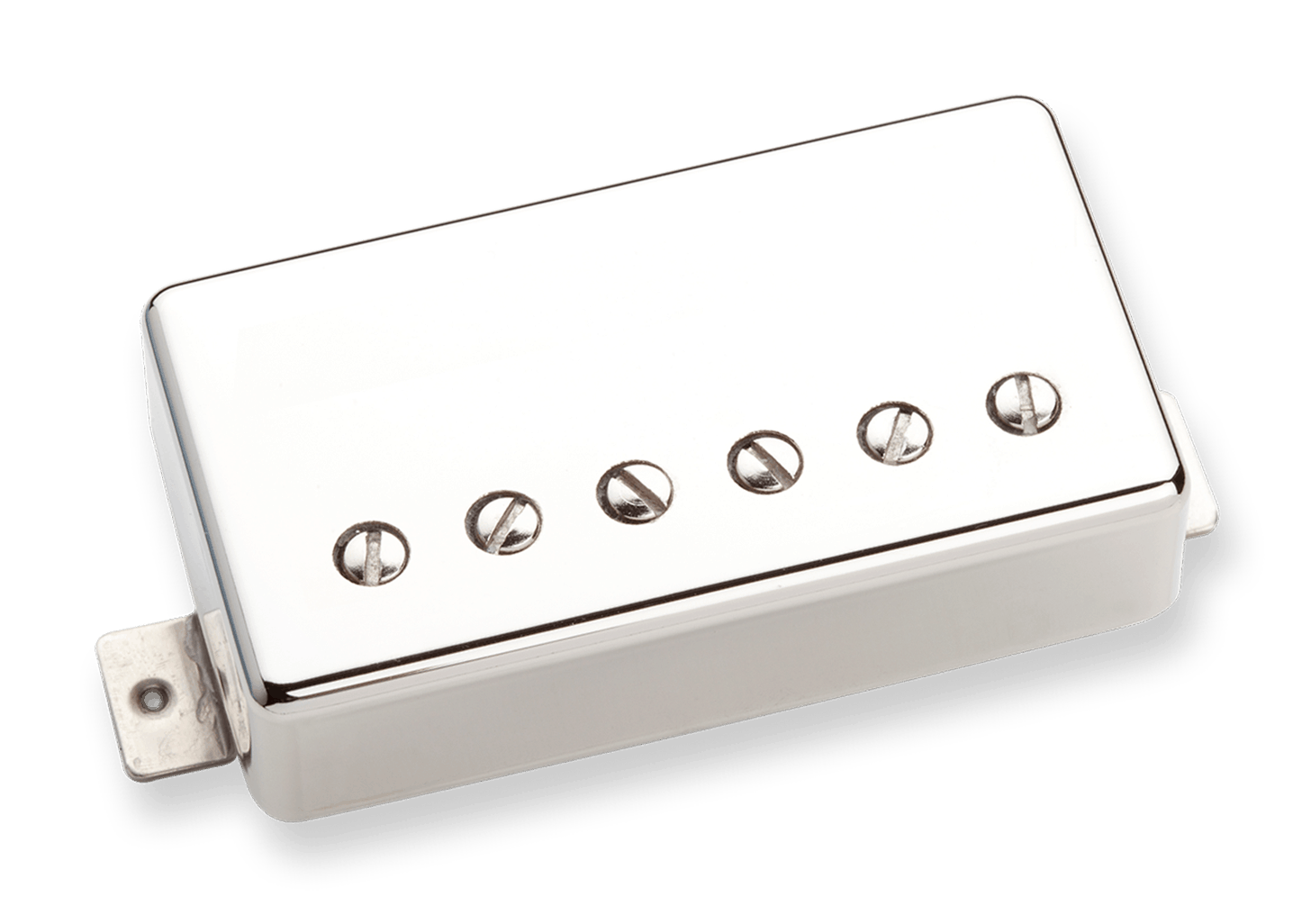
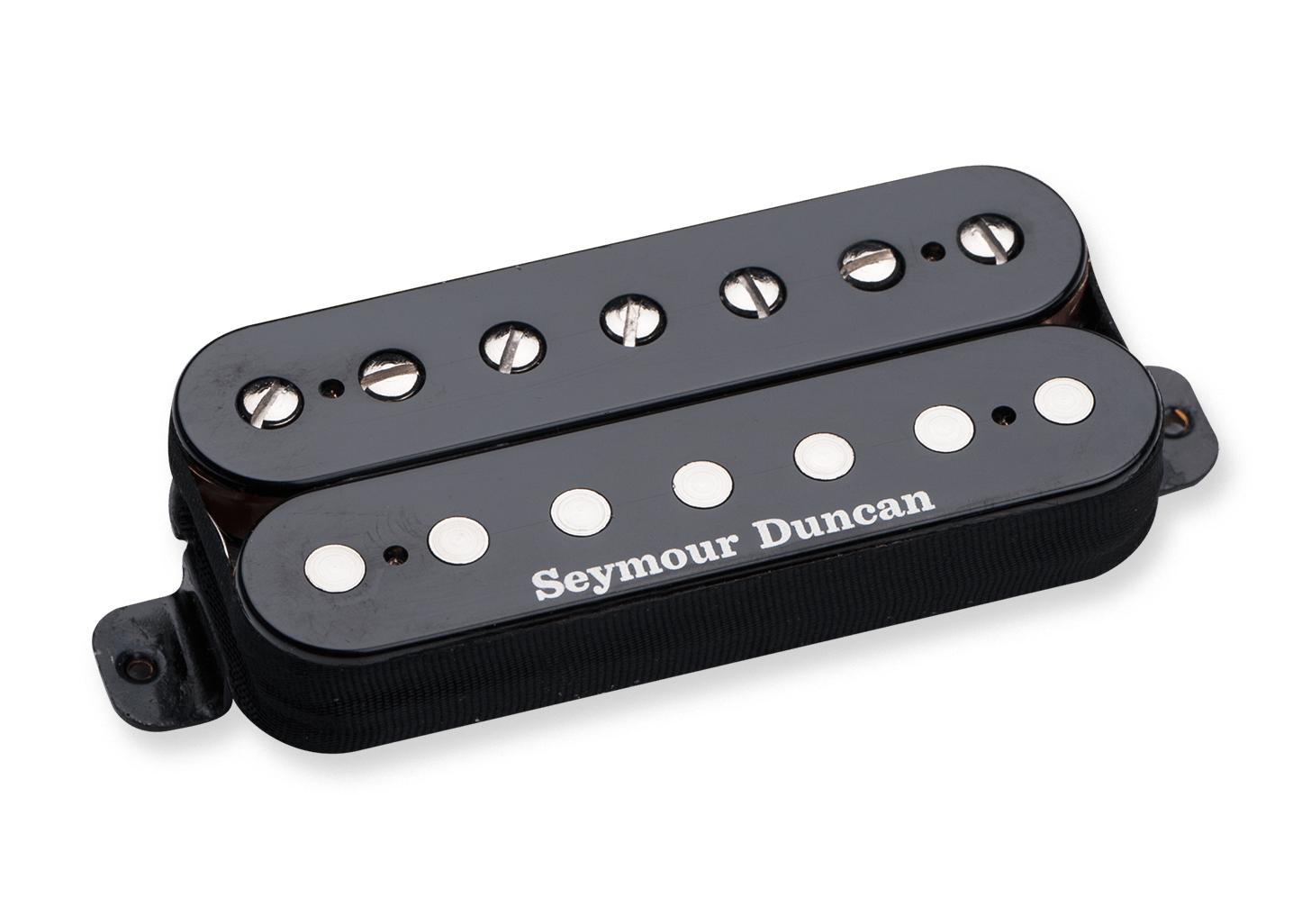

Played the Seymour Duncan Blues Saraceno Parallel Axis Model (PATB-3)?
Tell other players how it sounds in your guitar. These are visitors' own comments: checked for spam before they appear, but not fact-checked like the sourced quotes above.
Loading comments…