Closest match
lower output
No inductance for one of them, so output leans on DC resistance; brightness from the maker's resonant peak.
medium confidence
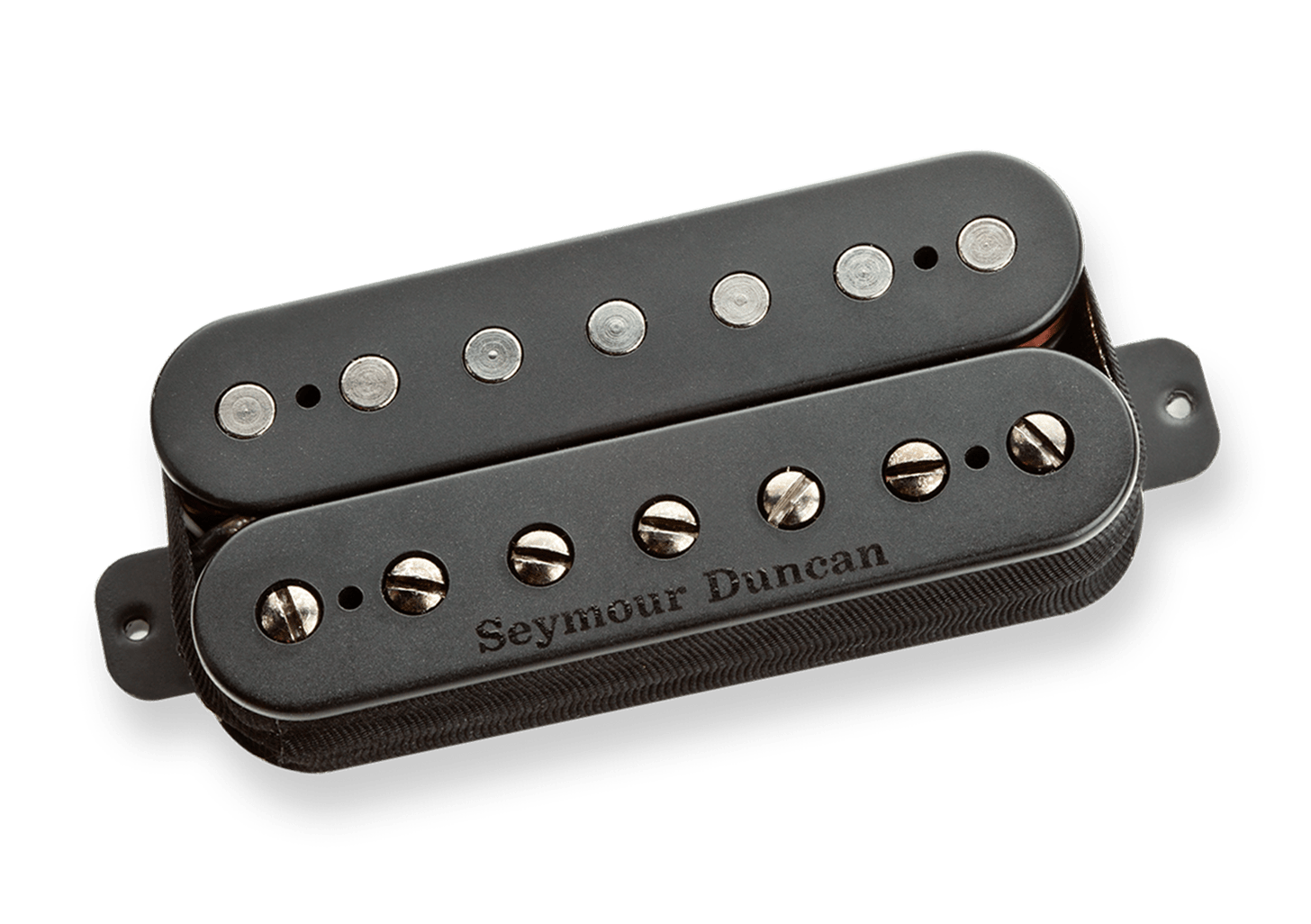
A 7-string bridge humbucker with a ceramic magnet and high output.
high outputtight & aggressive
From Seymour Duncan's published specs ↗ (opens in a new tab). Traits come from these specs by stated rules.
Upgrading from the Seymour Duncan Distortion (SH-6)? Put it on the map and see what sits where you want your tone to go.
Each score is how close a pickup is on measured specs, out of 100. The meter shows how many of those specs we could compare; a grey score means few could be. How scoring works
lower output
No inductance for one of them, so output leans on DC resistance; brightness from the maker's resonant peak.
darker
No inductance for one of them, so output leans on DC resistance; brightness from the maker's resonant peak.
no spec differences found
No inductance for one of them, so output leans on DC resistance; no tone chart to compare.
no spec differences found
No inductance for one of them, so output leans on DC resistance; no tone chart to compare.
lower output
No inductance for one of them, so output leans on DC resistance; no tone chart to compare.
lower output
No inductance for one of them, so output leans on DC resistance; no tone chart to compare.
Demos, reviews and forum posts, quoted word for word and linked to where they were published. No reviews collected yet.
“the Super D and DD are two VERY different sounding pickups.”
“The DD is very different from the SD. As mentioned the DD is tight, percussive and hot, while the SD is big warm and fuzzy.”
“Of the two the DF is closer to the SD than the DD.”
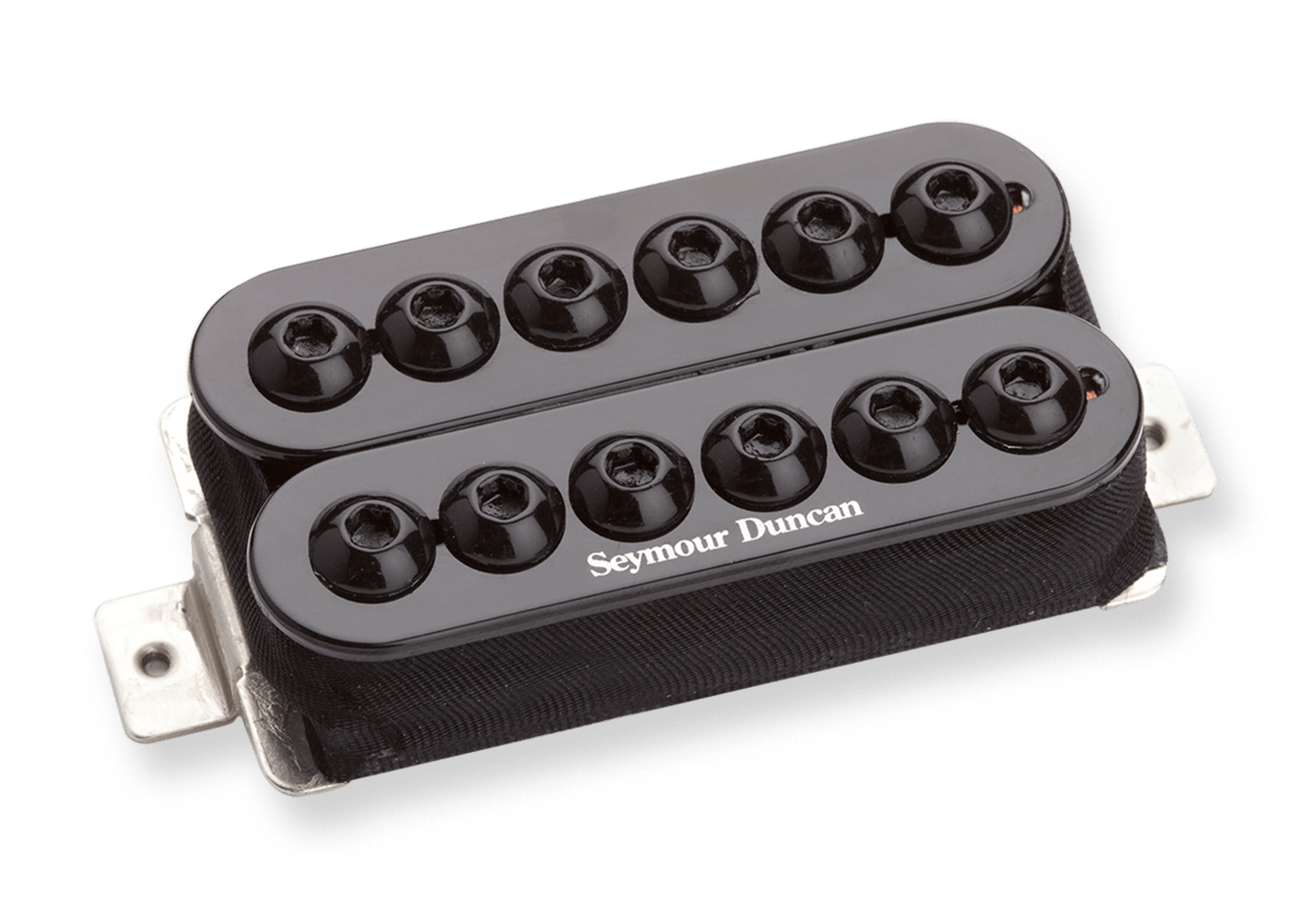


Played the Seymour Duncan Distortion (SH-6)?
Tell other players how it sounds in your guitar. These are visitors' own comments: checked for spam before they appear, but not fact-checked like the sourced quotes above.
Loading comments…